1. Plan the Right Hanging Heights
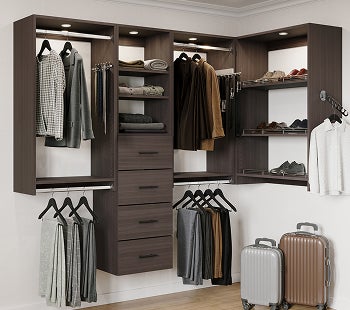
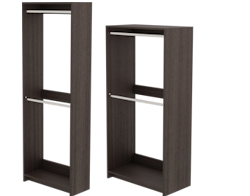
One of the most common closet mistakes is using the wrong hanging heights. Proper spacing ensures your clothes fit comfortably and stay wrinkle-free.
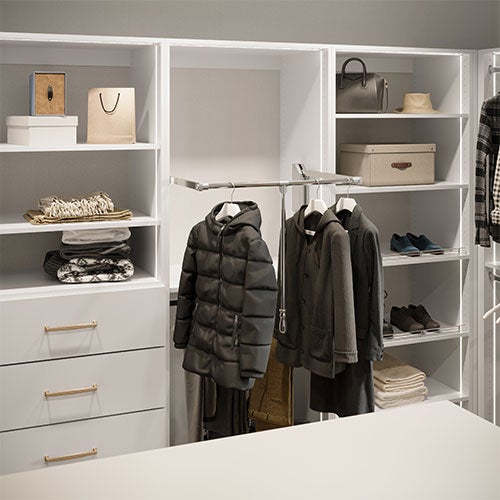
Short hanging (shirts, jackets, folded pants):
- Standard height is about 42 inches
- Petite wardrobes can work well at 36 inches
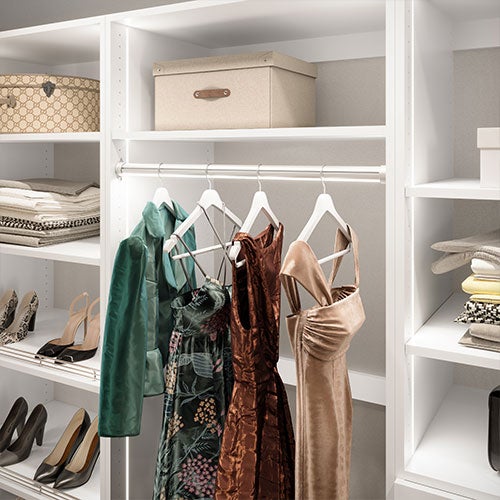
Long hanging (dresses, coats, jumpsuits):
- Typical heights range from 50–70 inches
- Plan for multiple lengths since wardrobes include midi, maxi, and full-length pieces
Why this matters: Proper hanging heights maximize vertical storage and prevent wasted space in your closet layout.
2. Choose the Right Shelf Depth and Width
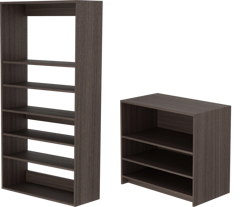
Shelving should match what you plan to store. Guessing shelf depth leads to wasted space and clutter.
Before designing shelves, measure items like:
- Shoes
- Sweaters and folded jeans
- Handbags and storage bins
For example, shallow shelves may only fit two pairs of shoes instead of three. Planning the right dimensions helps avoid awkward spacing and improves overall closet organization.
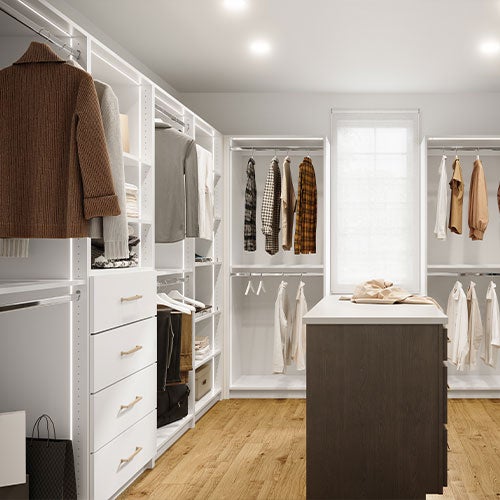
3. Design Walk-In Closet Corners the Smart Way
Closet corners often become wasted space. Without proper planning, they turn into hard-to-reach storage zones.
Best practices:
- Allow at least 30 inches of clearance to access corners comfortably
- Use hanging space instead of deep shelving in corners
- Keep corners flexible for items that move frequently
Hanging rods typically work better than shelves because they make items easier to reach and move.
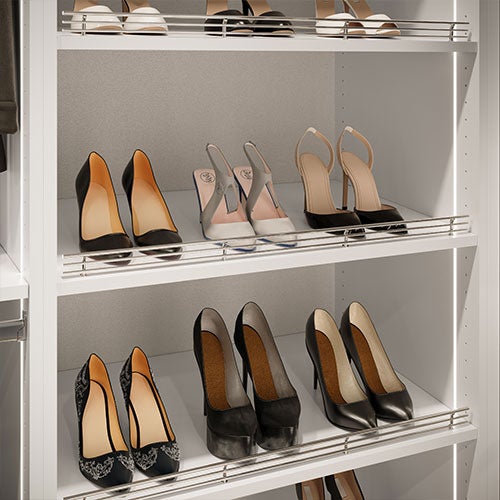
4. Store Shoes Facing Forward
This simple tip makes a huge difference in everyday usability.
Always place shoes with the toes facing outward. You naturally recognize shoes from the front, which saves time and keeps your closet looking neat.
Bonus benefit: Your closet instantly feels more organized and visually appealing.
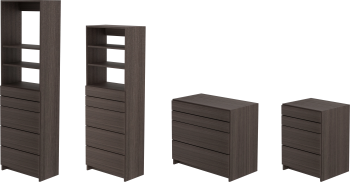
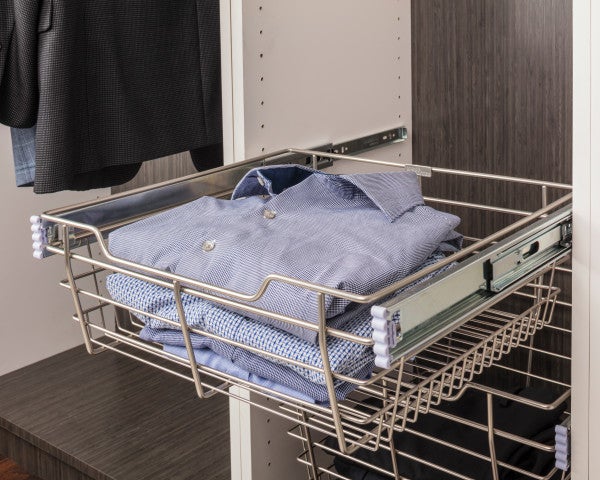
5. Use Shelves for Folded Clothes Instead of Drawers
Many homeowners overuse drawers in closet design.
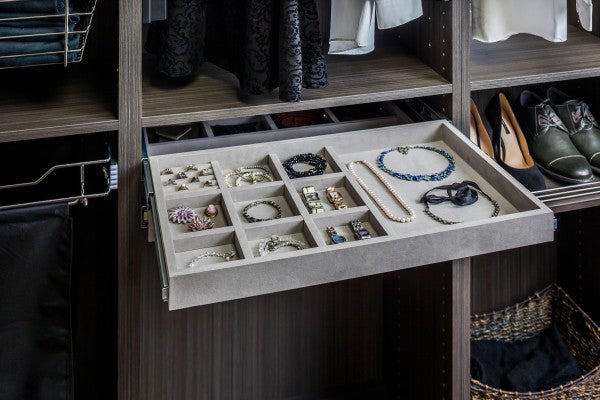
Folded clothing is easier to see and access on shelves. Reserve drawers for items that cannot hang or display easily, such as:
- Underwear
- Socks
- Swimwear
- Accessories
6. Use the “Pyramid Method” for Visibility
This trick improves visibility and accessibility across your closet.
In double-hang sections:
- Hang long sleeves on the lower rod
- Hang short sleeves and pants on the upper rod
This creates an open, wider feel at eye level and keeps sleeves out of your face while browsing.
Apply the same concept to shelves:
- Place deeper items at the bottom
- Store shallower items at the top
This “pyramid effect” ensures everything stays visible and easy to grab.
Final Thoughts: Plan for Function First
A well-designed closet blends storage, accessibility, and organization. When planning your closet renovation or custom closet system, focus on real wardrobe needs, accurate measurements, and smart accessibility. The result is a closet that looks beautiful and works effortlessly every day.
Design Tips provided by Eric Marshall, Co-Founder & President at Closet Training Institute